

What's On

CityLabs 2.0
1 January 1970Citylabs 2.0 is a £25 million life sciences and medical technology facility developed by Bruntwood SciTech in partnership with Manchester University NHS Foundation Trust. Located on Hathersage Road, the six-storey building provides 92,000 sq ft of specialist laboratory, office and clinical space. It is home to QIAGEN’s UK headquarters and Global Centre of Excellence for Precision Medicine, supporting research and development in molecular diagnostics and technologies that help guide treatment decisions. Businesses benefit from proximity to the University of Manchester, NHS expertise and the wider Oxford Road Corridor, creating opportunities for collaboration across research, healthcare and industry.

Greenheys
1 January 1970Greenheys is a £60 million life sciences and laboratory development at Manchester Science Park, delivered by Bruntwood SciTech. The six-storey building provides 131,000 sq ft of specialist laboratory and office space, including flexible Containment Level 2 facilities for research-intensive businesses. It is the new national headquarters of UK Biobank, bringing around 11 million biological samples to Manchester and providing advanced facilities to accelerate biomedical research. Businesses also benefit from connections to the University of Manchester, Manchester Metropolitan University and Manchester University NHS Foundation Trust, alongside specialist infrastructure, meeting spaces and wider campus amenities.

CityLabs 4.0
1 January 1970Citylabs 4.0 is a £42 million health innovation facility developed by Bruntwood SciTech in partnership with Manchester University NHS Foundation Trust. Located on the Trust’s Oxford Road campus, it provides specialist laboratory and office space for life sciences and medical technology businesses. The seven-storey building is set to become the Manchester research and development hub for global medical technology company Convatec, bringing around 200 jobs to the city from 2027. It sits within an established cluster of research, healthcare and commercial expertise, giving businesses access to NHS facilities, clinical trials and opportunities to collaborate with leading academic institutions.

Renold Building
1 January 1970The iconic Renold Building has been reimagined as a vibrant innovation hub for start-ups, tech pioneers and community in the heart of Manchester.

Christabel Pankhurst Institute
1 January 1970The Christabel Pankhurst Institute is a £25 million initiative at the University of Manchester, bringing together researchers, clinicians, businesses and public sector partners to accelerate health technology research and innovation. Based in a flagship building on Dover Street, it draws on the University’s strengths in digital technology, artificial intelligence and advanced materials to address challenges in health and care. Working with the NHS, industry and local government, the Institute supports the development and translation of new technologies into practical applications, helping improve patient outcomes while creating opportunities for collaboration, commercialisation and growth across Greater Manchester’s health innovation ecosystem.

Manchester Technology Centre
1 January 1970Manchester Technology Centre is home to the Manchester Tech Incubator and some of the region’s fastest-growing digital startups.
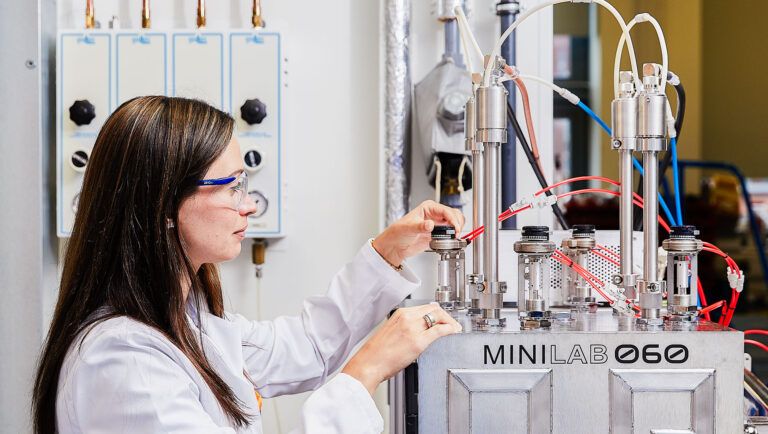
Manchester Fuel Cell Innovation Centre
1 January 1970Manchester Fuel Cell Innovation Centre is home to an impressive range of advanced equipment as well as specialist laboratories and spaces.

Henry Royce Institute
1 January 1970The Henry Royce Institute is the UK’s national institute for advanced materials research and innovation, with its central hub based at The University of Manchester. Bringing together nine leading research partners, it provides access to specialist laboratories, cutting-edge equipment and expertise for academic researchers and industry. Its work focuses on developing new materials and technologies to address major challenges, including clean energy, decarbonisation, healthcare and sustainable manufacturing. By connecting world-leading research with commercial partners, Royce helps accelerate the journey from scientific discovery to industrial application, supporting innovation and economic growth across the UK.
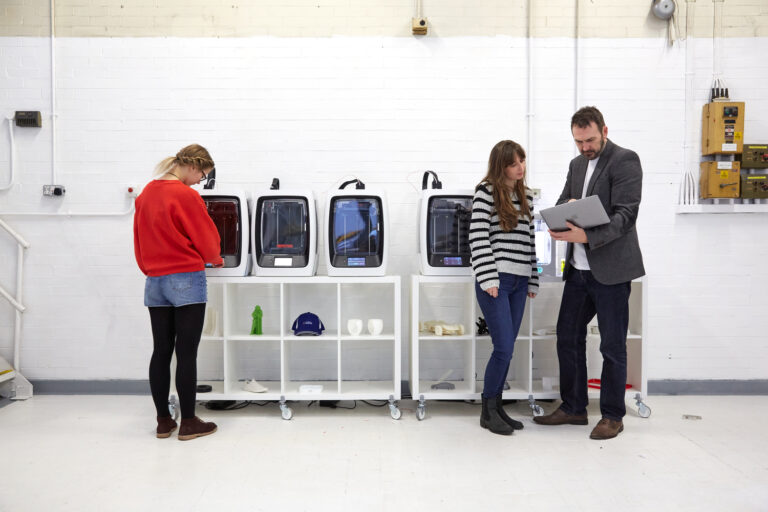
PrintCity
1 January 1970PrintCity is Manchester Metropolitan University’s centre for additive and digital manufacturing, supporting the development and application of advanced manufacturing technologies. Established in 2018, the facility brings together engineers, designers, researchers and students, working with businesses of all sizes to turn ideas into practical products. Its specialist equipment includes a wide range of 3D printers, 3D scanning technologies and facilities for working with materials including polymers and metals. Alongside commercial projects and research collaborations, PrintCity supports skills development through Manchester Met’s MSc in Digital Design and Manufacturing, helping businesses adopt new technologies and develop expertise in advanced manufacturing.
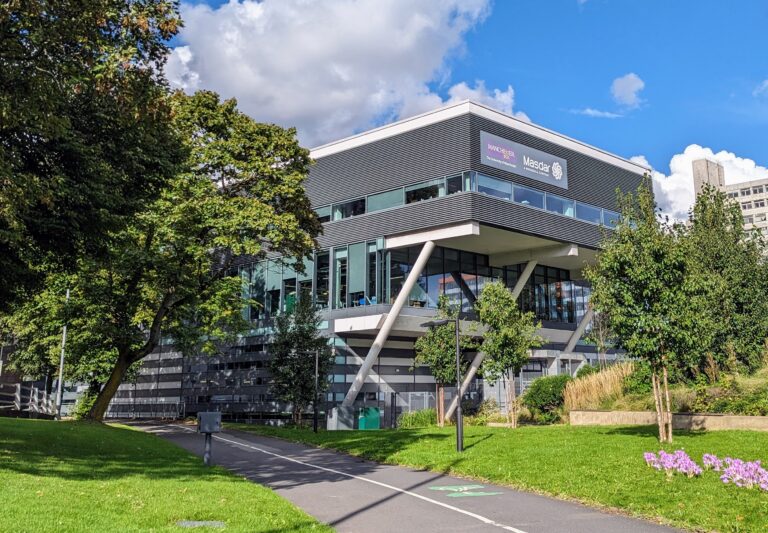
The Graphene Engineering Innovation Centre
1 January 1970The Graphene Engineering Innovation Centre (GEIC) at the University of Manchester helps businesses turn graphene and other advanced two-dimensional materials into commercially viable products. Working with companies ranging from start-ups to global manufacturers, the Centre combines specialist laboratories, pilot-scale production facilities and engineering expertise to develop, test and scale new technologies. Its industry-focused approach supports innovation across sectors including construction, energy, electronics, healthcare and advanced manufacturing. Working closely with academic researchers and industrial partners, the GEIC helps reduce the risks of commercial development and accelerate the journey from scientific discovery to real-world application, strengthening Manchester’s position as a global centre for advanced materials innovation.
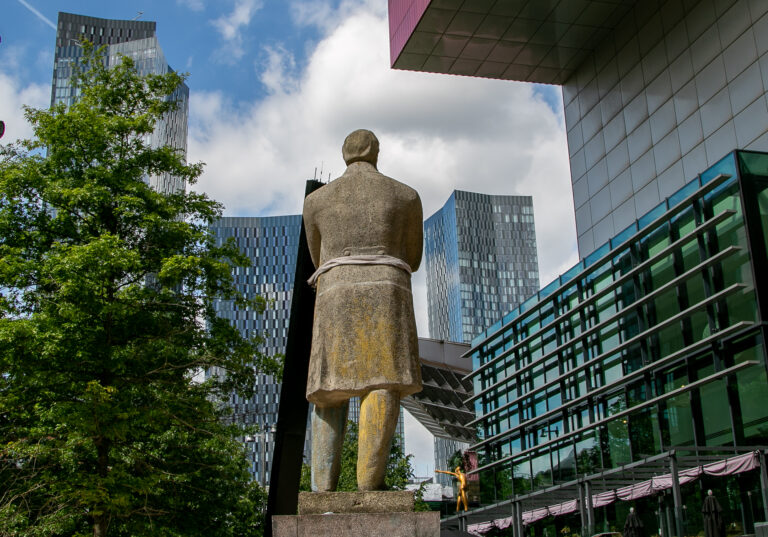
First Street
1 January 1970First Street is a vibrant neighbourhood home to a number of businesses and is a popular spot for food, drink and culture.

Manchester Central
1 January 1970Manchester Central is one of Manchester’s main conferences and events spaces, housed in the former Manchester Central railway station.

Bright Building
1 January 1970Located at the heart of Manchester Science Park, the Bright Building is a state-of-the-art hub of innovative digital and tech businesses.

Base
1 January 1970Base is in the process of a £21m, 91,000 sq ft redevelopment at Manchester Science Park and will offer workspace designed for companies working in high growth, frontier sectors of Industry 4.0.

CityLabs 1.0
1 January 1970Citylabs 1.0 is a health innovation hub located within Manchester University NHS Foundation Trust’s Oxford Road campus. Part of the wider Citylabs campus, it provides specialist office and laboratory space for businesses working in life sciences, diagnostics, genomics, medical technology and digital health. Developed through collaboration between Bruntwood SciTech, the University of Manchester and Manchester University NHS Foundation Trust, it connects businesses directly with clinical expertise, research and NHS facilities. Its location supports collaboration between industry, academia and healthcare, helping companies develop and commercialise technologies that improve patient outcomes and drive growth across Greater Manchester’s life sciences sector.